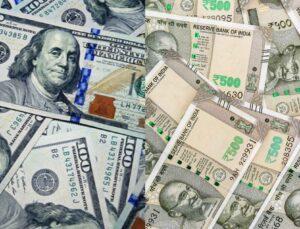




On March 23, 2026, the Indian stock market plummeted. The Sensex declined over 1,900 points, and the Nifty 50 was down more than 2.6%, while investors lost nearly ₹14 lakh crore in a matter of hours.
If you looked at your investments on that day, it was likely just a sea of red. However, this wasn’t an arbitrary event. A perfect storm of geopolitical tension, increasing oil prices, capital outflows from foreign investments, and pressure on the currency caused a chain reaction that caused markets to drop at an alarming rate.
So how the hell did this happen?
What were the implications of the US-Iran tensions on the Indian stock market?
The largest trigger of this market drop was due to the increasing geopolitical tensions in the Middle East, which rose rapidly with soaring hostilities between the US and Iran; as soon as it happened, global markets felt the repercussions. (and HOW!)
On March 23, US President Donald Trump stated that the US could “destroy” the Iranian energy sector if they didn’t reopen the Strait of Hormuz within 48 hours. Iran subsequently issued a statement warning that they would close the Strait (which sees a significant percentage of the world’s oil supply pass through).
At the same time, it was reported that Iran had fired ballistic missiles at a UK-US military base in Diego Garcia, raising concerns about the potential for a wider conflict.
When global investors believe that there’s a high likelihood of war, they sell in a panic and do not wait for further guidance on what will actually happen. This panic-led Selling created a massive amount of Selling all around the world; and the same day that the panic Selling began, it was felt most severely in India.Today’s downturn in India’s stock market is attributed largely to the increased level of crude oil prices worldwide.
Increased crude oil prices are a large part of what is happening in the global petroleum market due to armed hostilities occurring internationally. The increase in prices has already created high prices for many consumer products, including petroleum products (gasoline), which are hitting record levels across a number of different markets; while at the same time, they affect inflation levels across all of western Europe.
For many developing nations (including India), oil prices aren’t as important; however they affect a biggish amount of money that these countries spend or use for the development of their economies.
Also, when oil prices rise, several factors affect their respective countries’ economies, such as:
1. The cost of oil to consumers increases, leading to increased inflation.
2. Governments see a continued rise in costs associated with the delivery of oil and other services, which increases government revenue.
3. The corporate margins for a number of companies will continue to decrease in size, meaning less profit for them to reinvest back into their respective businesses.
4. The overall economy slows.
The International Energy Agency’s (IEA) Executive Director Fatih Birol stated that “the situation is very serious and much worse than the oil price shocks we saw during the 1970s.” This statement really illustrates how concerned the world’s financial markets are regarding this crisis.
The decline in India’s stock market today is primarily due to FPI’s selling their Indian equity investments.
The total amount of outflows from the Indian stock market in March alone was more than ₹90,000 crore. During March, there was a sustained trend of FPI’s selling off their respective equity holdings.
This is primarily due to increased global uncertainty, which causes FPI’s to shift their funds into US treasuries and gold as safe havens. There is also an added level of loss to foreign investors whenever the rupee declines in value, creating additional losses during the currency conversion process.
VK Vijayakumar, Chief Investment Strategist at Geojit Investments, believes that a combination of global market weakness, a declining rupee and rising crude prices have all contributed to the decline of investor confidence toward Indian investors. The sustained outflow of funds from the Indian equity market has been attributed to lower returns for investors generally during the past year and a half relative to other international markets.
What Has Caused the Equity Markets in India to Decline Today?
A lowering of the value of the Indian Rupee, both against the USD and other international currencies, has also contributed additional pressure to a declining equity market.
There are multiple problems associated with a declining currency:
- The cost of imports rise
- There is an increase in inflation
- Foreign investors become less confident
- Capital outflows from India are accelerated
This creates a negative cycle. As the value of the rupee continues to decline, foreign investors withdraw more and more assets from the country, which in turn exacerbates the falling value of the currency.
Markets are uncomfortable with instability, and currency weakness is a clear indication of instability.
Is this happening due to Market Volatility?
The level of volatility increased dramatically today, moving the India VIX (the “fear index”) by almost 10% to approximately 25.
The increase in the index is significant as it indicates a HUGE amount of uncertainty by market participants about what is likely to happen in the near term.
During periods when volatility soars high, traders reduce their risk tolerance and begin to sell aggressively, creating a panic-like environment in the market for many short-term traders.
The scale of the decline in both mid-cap and small-cap indices indicates that there was a concerted effort by market participants to sell large-cap stocks, and to sell everything else as well.
What Has Caused the Equity Markets in India to Decline Today Because of Weakness in Global Market Signals?
The Indian equity market does not operate independently of forces at work on the other side of the globe.
- Asian stock exchanges declined sharply (3-4%).
- US stocks that were lower in the last session are now closed.
- Geopolitical tensions have worsened.
As all stock exchanges decline in a global market, lower prices in the most liquid Asian stock exchanges will typically be followed by the Indian stock market due to global conditions prevailing.
What is driving the decline in the Indian stock market today, and what lessons can we learn from this?
The decline in the Indian stock market’s price today is a function of two primary reasons: Fear and Fundamentals.
The fear factor is driven by:
– The High Risk of War
– Disruption of Oil Supplies
– Instability in the World Economy
The fundamentals on which stock prices are based, have come under pressure due to:
– Increasing Price of Crude Oil
– Depreciating Indian Rupee
– Foreign Investor Selling Out
These fears, and fundamentals, created the “perfect storm.”
Perspective matters.
Some investors look at market declines differently than others. One observer of the markets quoted a fellow observer: “Most of the price damage occurs in the first few days after hostilities begin.”
Another observer of markets said the current market declines may represent a buying opportunity for people with money looking to invest in high-quality companies that are selling at depressed prices due to mass panic and subsequent wide-spread selling.
While there is a cautionary aspect to both types of investor observers described above, it is important to keep in mind that neither view should be dismissed by a potential investor.
Where Does SENSEX Go From Here?
Market movements will continue to be a direct result of factors outside of the stock market:
– Will geopolitical tensions ease, or continue to escalate?
– Will oil prices remain volatile, or begin to stabilize?
– Will foreign investors continue to exit, or return?
If anxieties around the globe normalize and/or decrease in intensity, the Indian stock markets will likely rebound as quickly as possible. As quickly as Titu in Sonu ke titu ki sweety bruh, but that looks like a far-fetched dream at the moment.
If geopolitical anxiety soars high and wide, markets will likely continue to be volatile.