



Ye dukh kaahe khatam nahi hota hai…..?
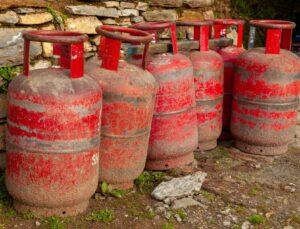
Janaab, dukh se pehle LPG khatam nahi hona chahiye!
Longer lines and stressed out customers are becoming normal at gas stations throughout India. Meanwhile, some restaurants across India are reducing menu selections, while others are shutting down their kitchens altogether!
Ye sab kya ho raha hai, universe?????
While it might look like a regionally focused supply issue, it turns out to be larger than expected. A conflict taking place thousands of kilometers away in West Asia is causing a ripple effect that impacts India’s cooking gas distribution system.
Although the Government of India has stated that the nation is not experiencing a shortage of gas, the consequences of global strife can already be seen in varied facets of your daily existence. The day-to-day lives of people all over India will soon see repercussions from continued disruptions in transportation of these products.
The reason the war in West Asia is causing disruption to your cooking gas supply is that India imports a substantial amount of its crude oil and liquid propane gas (LPG) through routes that pass through the Strait of Hormuz, one of the busiest shipping lanes in the Persian Gulf.
Recent conflicts involving Iran and western nations have led to disruptions in shipping activities in this region and have raised concerns about the safety of merchant vessels transporting freight. As shipping delays and uncertainty associated with shipments rise, the potential for increased global supply chain disruptions increases.
Numerous countries have taken emergency actions in response to the current oil shortage. Due to the recent announcement from the IEA, there will now be an additional 400 million barrels of oil available worldwide. This is the biggest number of barrels released by any country in world history.
Won, but at what cost?
In India, a disruption in the supply of energy shipments has a direct impact on how quickly LPG cylinders will be available to distributors throughout the various cities in India.
In response to panic purchases of LPG cylinders, Indian Government officials say the government has stepped up domestic production and expanded the number of different ways India can bring in imported oil. But even so, there are now signs at the local level that fuel supply stress is beginning to affect businesses due to the uncertainty of how long the supply stress will last.
Here’s What You Could Face Due to the LPG Shortage
Aapko toh aisa dhak dhak horela hai?
No need to panic, but here are some things you should know.
The longer this situation continues, the more people will see changes in their day-to-day experiences, from having to eat at home versus out, to using services to order food.
1. You May See Your Fav Street Food Waale Bhaiya shut early
One of the first places you will see the impact of the LPG shortage is at street food vendors and small eateries.
Unlike households, street food vendors and small restaurants rely primarily on commercial-sized LPG cylinders, which they use every day in significant quantities to prepare food.
For example, one street vendor in Noida’s sector 16 told India Today that the price to them from the black market seller of one of their commercial LPG cylinders had increased from ₹1,000 to ₹1,500 over just a few days and, consequently, they can no longer absorb that additional cost and are forced to increase their prices by 50% on the food that they sell.
As a result, some street food vendors have already closed down as a direct result of the higher costs associated with the LPG shortage.
As the supply squeeze continues, you may see:
– limited menus at restaurants
– increased food prices
– or restaurants closing earlier than they usually do
Which means your late-night food runs might soon become a challenge.
3:00 AM without the cheese maggi, ab personal ho raha hai.
# 2. Food Delivery Could Slow Down
When restaurants stop cooking, it has a trickle-down effect on the entire food chain.
Delivery workers, gig workers, and restaurant employees all rely on kitchens being in full operation. They say that due to restaurant closures and reduced hours, the volume of delivery orders has decreased by between 50% and 60% in several U.S. cities.
For consumers, that could mean:
– fewer restaurants available for delivery through an app
– longer wait times for food
– or increased food prices.
The cooking gas shortage started and now has become an interruption of the digital food supply chain.
# 3. Long Lines in Front of Gas Stations
Even if you don’t have a restaurant, you will notice the pressure.
In a number of cities, long lines of customers have been reported at LPG gas stores attempting to purchase cylinders before the supply runs out.
Incidents of violence have occurred outside some LPG gas stores in parts of the Delhi NCR, where customers argued over limited supplies and access to gas.
The difficulties caused by panic and online misinformation have led to an increase in the overall size of the problem.
Households have felt the effects of the crisis primarily through longer wait times between refills. In certain regions, it typically takes 5-7 days for customers to get an LPG refill.
4. Your Apartment’s Gas Supply May Be Disrupted
Many large apartment buildings in urban areas like Hyderabad use centrally located LPG storage facilities to provide gas through pipes to residents. When access to LPG becomes limited, management must replenish the LPG supply/stock in order for residents to have access to gas. Management and resident associations in several multi-family housing societies are watching stock levels closely and working hard to replace it.
If trucks are unable to deliver LPG to multifamily housing complexes, no gas will flow through the pipes in the apartments.
SIGH!
5. Industry May Slow Down Too
The LPG crisis does not only affect cooking. Many industries use LPG to fire up their boilers for heating, dyeing, sterilizing and producing their goods.
Many of the factories in Haryana’s industrial centers like Panipat, Sonipat and Karnal rely on LPG to function including the textile, pharmaceutical and food production industries.
According to the heads of industries, the cost of commercial 14 kg cylinders has already increased by almost 20% and in some areas are being sold out very quickly.
Essential services are also facing difficulties.
An unexpected outcome of this shortage of liquid petroleum gas (LPG) is how it has impacted cremation services.
Contractors overseeing crematoriums in Chennai report they are having trouble obtaining the LPG cylinders they need for cremations.
A cremation typically requires approximately 10 kilograms of LPG, and many cremation facilities perform multiple cremations each day. Due to limited availability of LPG, some cremation operators say they can expect their supplies to last no more than approximately one (1) week.
This illustrates how severely disruptions to energy supplies may impact the ability of essential services to provide services.
Government Officials Are Urging the Public
Officials are assuring the public that “the situation is being controlled.”
The government has provided information showing that domestic production of LPG has increased approximately 25%. Household consumers are getting priority to receive deliveries of LPG before commercial entities, therefore limiting the likelihood of residents experiencing cold kitchens.
The Delhi government has also assured the public that there are no shortages of LPG, petrol, diesel, or piped natural gas in stores, and therefore, residents should not rely on unverified information shared through social media.
Officials are warning that if there is panic buying or hoarding of products, it can worsen the situation.