




NASA-ISRO’s NISAR satellite is gearing up for liftoff on July 30, 2025, and honestly, space nerd or not, you should care. Why? Because when Desi jugaad vibes meet NASA-level swag, history gets written in the stars (literally). Let’s unpack why everyone from your science teacher to your meme group is hyped for NISAR. Kya scene hai? Read on and find out!

- A Power Duo: NASA and ISRO Join Forces
Brace yourselves for the biggest crossover since Karan Arjun reunited, NASA and ISRO are teaming up for NISAR! This is the first joint Earth-observing satellite mission between the US and India, bringing NASA’s L-band radar tech together with ISRO’s S-band wizardry. Think of it as the Avengers assembling, but for satellites. Sabka Vikas, now in orbit! If there was ever a bromance worth celebrating, this is it.
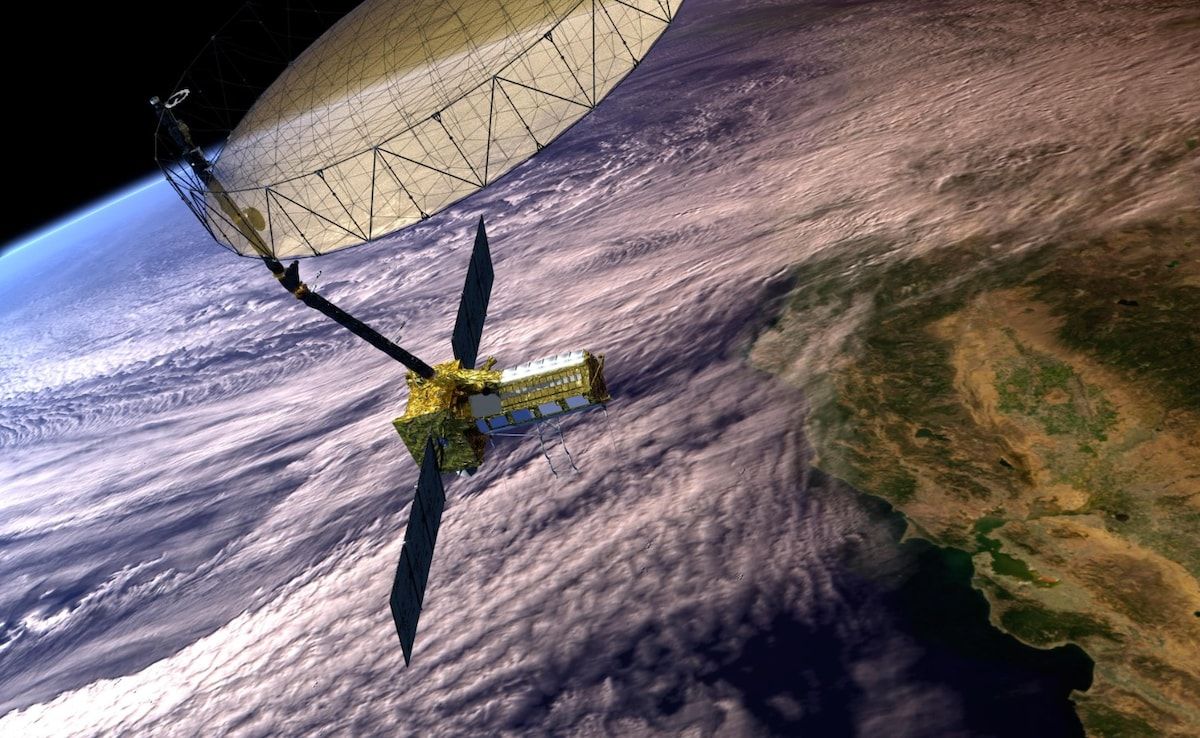
Image courtesy: NDTV
- Tech Marvel: Dual-Frequency Radar System
NISAR isn’t just showing up, it’s coming with superhero-level powers. It’s the first satellite to pack both L-band and S-band synthetic aperture radars, making it the world’s official “X-ray vision” expert for the planet. Day, night, rain, shine, NISAR’s got its eyes on Earth 24×7. Imagine having Superman’s peeping skills but for climate science.
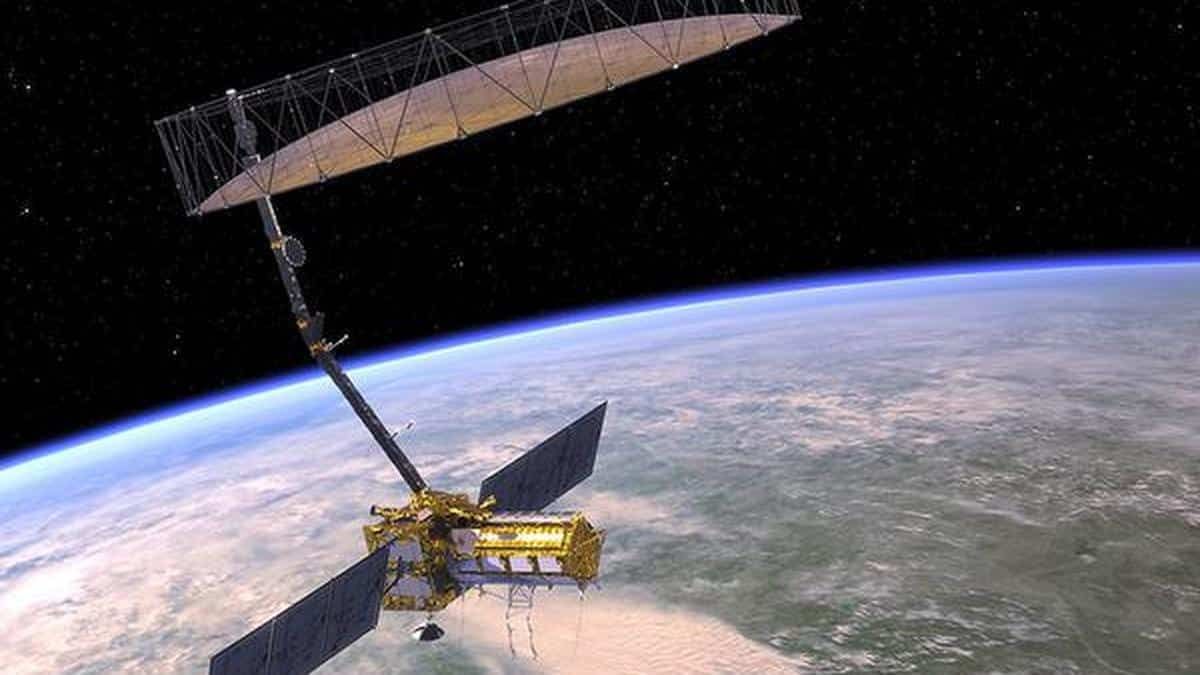
Image courtesy: Vajiram & Ravi
Mission: Earth’s Watchdog
Someone’s got to keep an eye on our messy planet, and NISAR is signing up big time. Set to scan almost all of Earth’s land and ice surfaces twice every 12 days, NISAR is basically your neighbourhood Big Brother, minus the drama and with actual solutions. From tracking landslides and earthquakes to monitoring vanishing ice sheets, Earth’s very own watchdog is logging in.The Price Tag: A $1.5 Billion Investment
Yup, you read that right, $1.5 billion. That’s not just a lot of zeroes; that’s nearly Rs. 12,500 crore! Is this the world’s most high-tech (and expensive) selfie stick for Earth? Maybe! But with game-changing data for disaster management and science, it’s a splurge that actually makes sense.Launch Details: Mark Your Calendars!
Set your alarms and make those launch watch party plans, NISAR takes flight on July 30, 2025, at 5:40 PM IST from Sriharikota’s famous Satish Dhawan Space Centre. Riding on ISRO’s beastly GSLV-F16 rocket, this lift-off is going to be pure goosebumps. Get your friends, grab chai, and flex some patriotism and science-geekery as ISRO and NASA make space history, together!
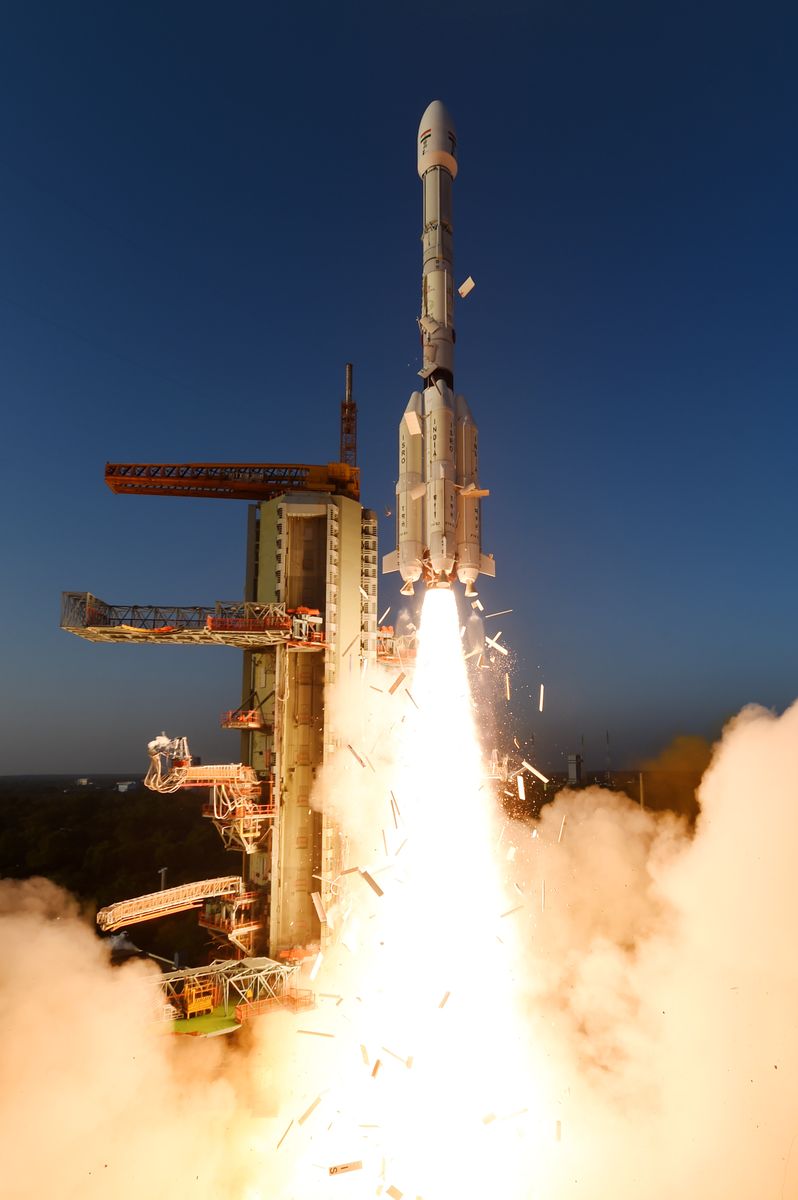
Image courtesy: Wikipedia
NISAR isn’t just another chunk of metal in space, it’s proof of what happens when the world’s brightest minds collaborate for the greater good. So, are you ready to watch history unfold and flex your space gyaan?